 0
0
 0
0
Austrian banks warn that phishing attacks increase during the Christmas season.
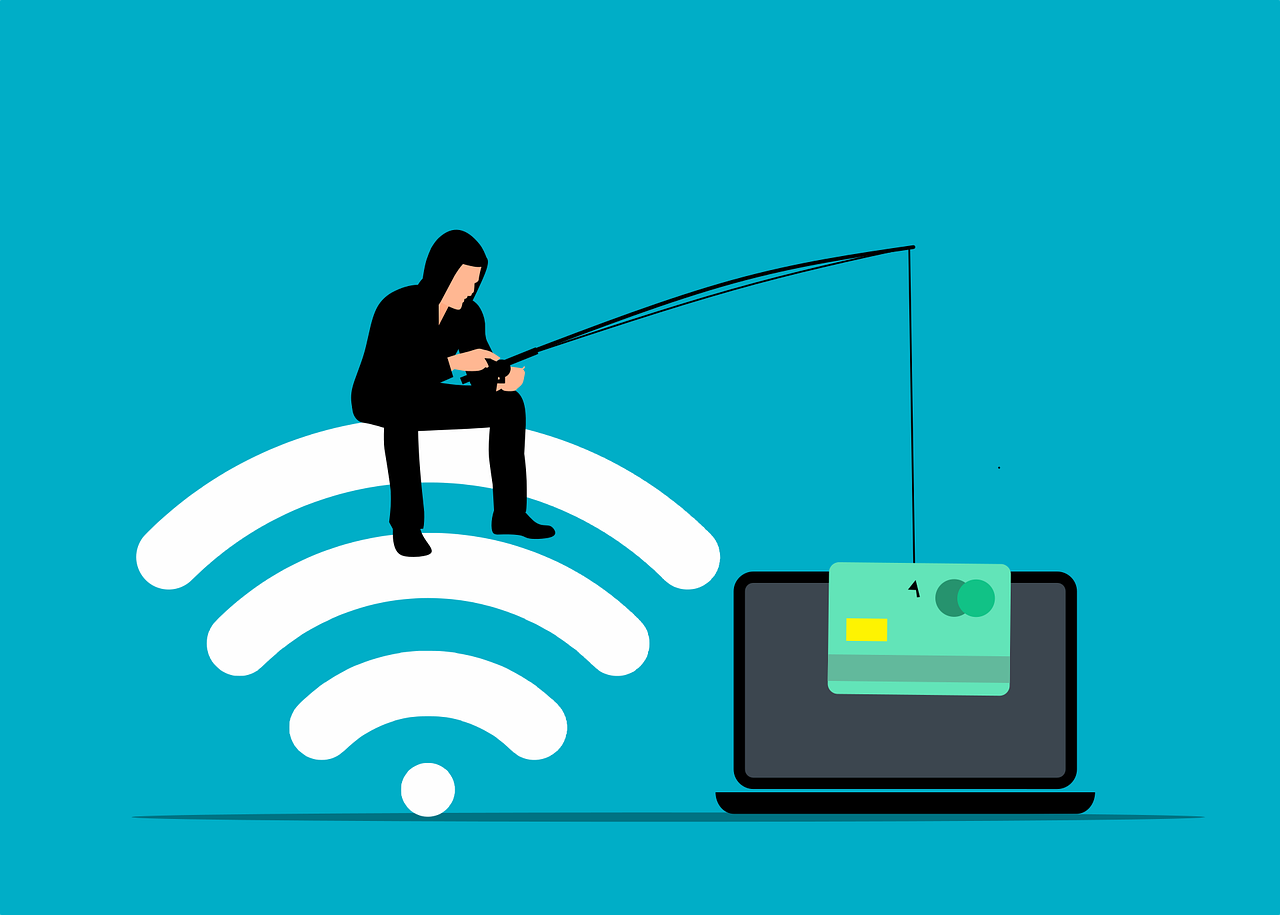
The number of phishing attacks increases during the Christmas season: Austrian banks are currently seeing an increase in such attacks and are warning customers not to disclose confidential information or authorize unwanted transactions. In phishing incidents, perpetrators often pose as bank employees and attempt to obtain customers’ passwords, account information, or credit card details via telephone, text message, or email. Victims are often lured to fake websites.
According to the Austrian Banking Association, fake messages referring to alleged account unblocking, data updates, or suspicious transactions and leading to fraudulent links are particularly common. Professionally conducted phone calls from fraudsters warning of supposedly suspicious transfers are also among the most common scams. The aim is to obtain access data or approve transactions. Banks continuously analyze reported cases of fraud and actively inform their customers about current fraud strategies and protective measures.
Phishing threat: Institutions implement security measures
In a press release on Tuesday, the Austrian Banking Association emphasized that institutions had implemented comprehensive technical and organizational security measures. At the same time, fraud attempts are becoming increasingly sophisticated: “Fraudsters deliberately create artificial urgency and use deceptively genuine contact methods. It is therefore particularly important to critically question suspicious requests and not to take any rash steps,” warns the Banking Association, listing a few security rules that can protect against phishing attacks.
Banks would never ask for sensitive access data to be disclosed by telephone, text message, or email. Furthermore, there would be no telephone requests to approve transfers and no time pressure from the bank. Customers who nevertheless suspect that they have been the victim of a phishing attack should contact their bank immediately.
- source: APA/picture: pixabay.com



This post has already been read 11817 times!